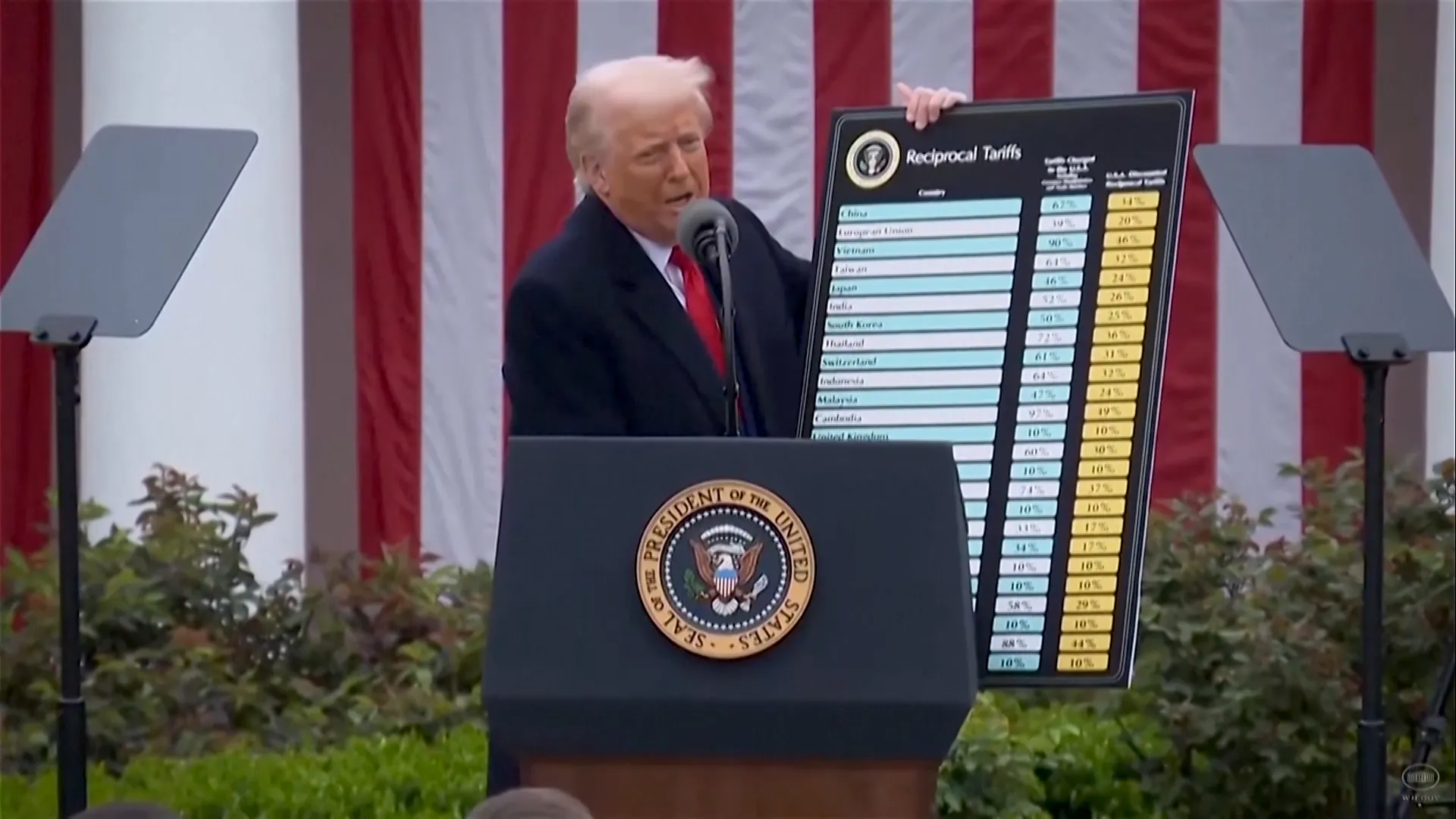
A prominent member of the Democratic Party has warned that former President Donald Trump's war policies could lead to a collapse of the global economy. These statements come at a time when the world economy is facing significant challenges, including inflation and rising energy prices.
In remarks made during a press conference, the member emphasized that the trade war initiated by Trump against China, along with increasing tensions with other countries, could harm both the American and global economies. He pointed out that these policies could exacerbate economic crises in many countries, threatening global financial stability.
Details of the Event
These statements come at a sensitive time, as the global economy faces numerous challenges, including the repercussions of the COVID-19 pandemic, supply chain crises, and rising food and energy prices. Recent economic reports have shown that many countries are experiencing economic recession, heightening concerns about the future.
The Democratic member also noted that the protectionist policies adopted by Trump could lead to increased trade tensions, which may provoke retaliatory responses from other nations. This, in turn, could harm the American economy, which heavily relies on international trade.
Background & Context
Historically, the United States has experienced several trade wars, but the trade war initiated by Trump against China has been among the most impactful. This war has led to high tariffs on Chinese goods, affecting prices in American markets and increasing production costs.
Moreover, tensions with other countries, such as the European Union and Canada, have complicated the economic situation further. Studies have shown that these policies could lead to job losses in the United States, increasing pressure on the domestic economy.
Impact & Consequences
If these policies continue, they could exacerbate economic crises in many countries, threatening global financial stability. Reports indicate that many developing nations may be the most affected, as they rely on trade with the United States.
Additionally, trade tensions could lead to rising prices, impacting consumers worldwide. This could result in a decrease in demand for goods and services, increasing the risk of economic recession.
Regional Significance
For the Arab region, global economic tensions could significantly impact local economies. Many Arab countries rely on oil and gas exports, which may be affected by changes in the global economy.
Furthermore, rising food and energy prices could increase pressure on Arab households, potentially leading to higher rates of poverty and unemployment. Therefore, economic stability in the region could be threatened if these policies persist.
In conclusion, the statements from the Democratic member reflect growing concerns about the impact of war policies on the global economy. As trade tensions continue, the economic future may be uncertain, necessitating a response from governments to ensure stability and growth.