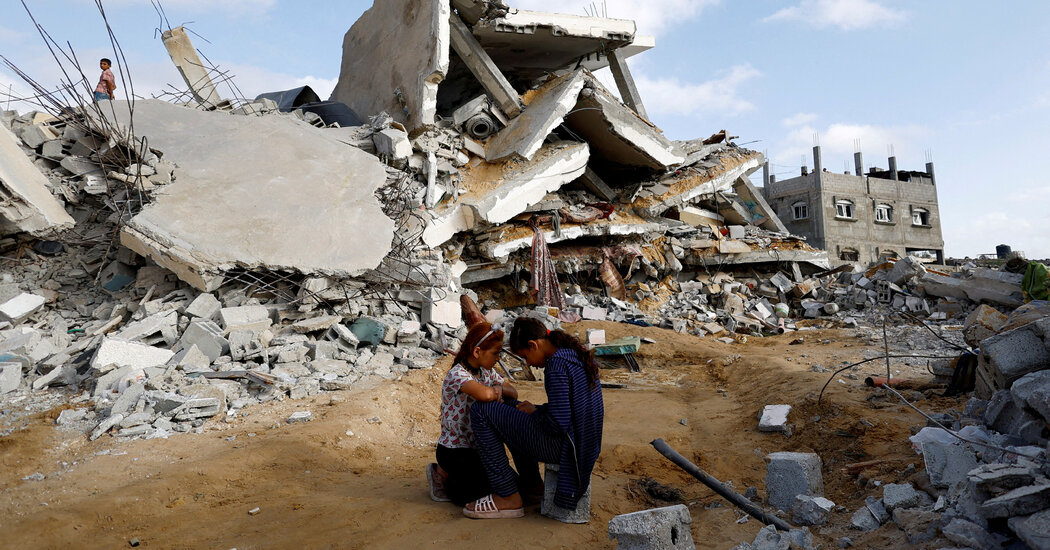
The region is undergoing significant transformations as the era of prosperity comes to an end, paving the way for a new age of strategic anxiety. These changes necessitate a reevaluation of policies and strategies to address future challenges.
Concerns are rising regarding the impact of economic and political crises on regional stability, with attention turning to how countries are handling these challenges. Under current circumstances, many governments appear to be struggling to maintain the levels of prosperity that citizens have grown accustomed to, raising questions about the future of stability in the region.
Event Details
Recent reports indicate that many Arab countries are beginning to suffer from the repercussions of global economic crises, directly affecting citizens' livelihoods. With declining oil prices and rising inflation rates, it has become increasingly difficult for governments to provide essential services. This situation creates a sense of anxiety among citizens and increases pressure on governments.
At the same time, political tensions in the region are escalating, complicating the landscape further. Ongoing conflicts in some Arab countries, coupled with economic challenges, make it difficult to achieve the required stability. These conditions could exacerbate social and political situations, necessitating a swift and effective response from governments.
Context and Background
Historically, the region has experienced periods of prosperity, especially during the oil price surges in previous years. However, with the decline in these prices, many countries have begun to face new economic challenges. These transformations are not new to the region, as many Arab countries have experienced periods of prosperity followed by economic crises.
These crises require a reevaluation of economic and social policies, as governments must adopt new strategies to tackle the challenges ahead. It is essential to have a clear vision for the future that takes into account the rapid changes in the global economy.
Consequences and Impact
These transformations directly affect political and social stability in the region. As economic pressures increase, popular protests and demands for improved living conditions may rise. These dynamics could lead to changes in governments and policies, creating a state of uncertainty.
Moreover, these crises may affect relations between Arab countries, as some may seek to enhance cooperation among themselves to face common challenges. Such cooperation could be vital for achieving regional stability, but it also requires strong political will.
Impact on the Arab Region
Forecasts indicate that Arab countries will face greater challenges in the near future. With the increase of economic and political crises, foreign investments may be affected, and growth opportunities could diminish. These conditions may exacerbate social situations, requiring a swift and effective response from governments.
Ultimately, Arab countries must adopt new strategies to confront these challenges. There must be a clear vision for the future that considers the rapid changes in the global economy. Achieving stability requires cooperation among Arab countries and the adoption of effective policies that ensure the improvement of citizens' living conditions.