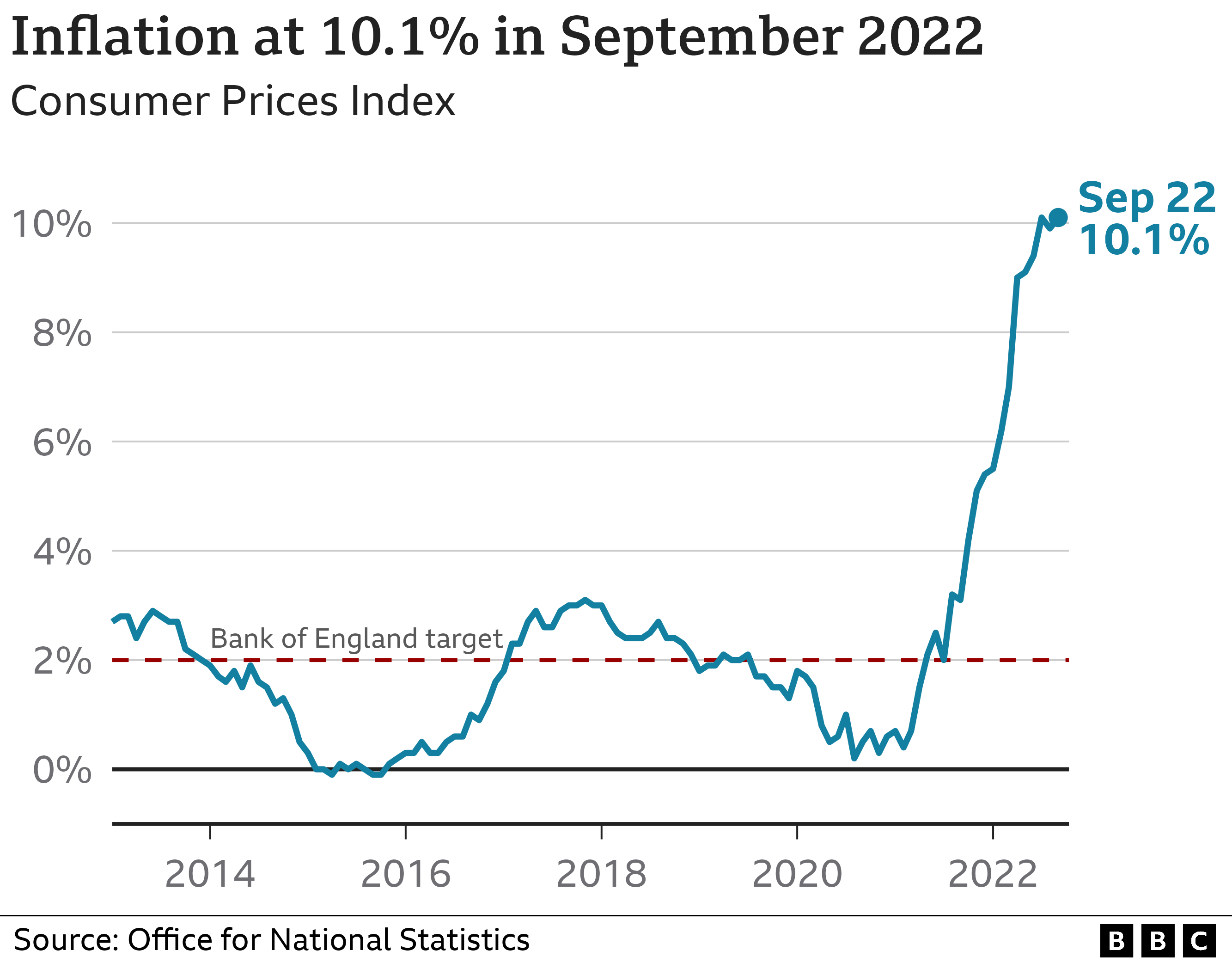
Concerns are growing about the potential for a new global famine amid looming price hikes. Reports indicate that multiple crises, including armed conflicts and climate change, may exacerbate food and economic conditions in many countries.
In recent years, many countries have witnessed a significant increase in the prices of essential food items, negatively impacting citizens' purchasing power. Studies have shown that over 800 million people worldwide suffer from malnutrition, raising alarms about the future of food security.
Details of the Event
Reports indicate that geopolitical crises, such as conflicts in Ukraine and the Middle East, have contributed to the worsening of the global food crisis. Additionally, the impacts of climate change, such as droughts and floods, cast shadows over agricultural production in many regions. These combined factors lead to rising food prices, threatening the stability of families around the world.
Moreover, the increase in energy prices directly affects transportation and production costs, further burdening consumers. Data has shown that the prices of basic food items, such as wheat and rice, have risen by over 30% in some global markets.
Background & Context
Historically, the world has faced several food crises, notably in the 1970s and 1980s, when wars and conflicts exacerbated economic conditions. In recent years, the COVID-19 pandemic has been one of the factors contributing to worsening food crises, disrupting supply chains and increasing demand for food.
Climate change has also become a significant challenge for food security, affecting agricultural production in many countries. Studies have shown that the regions most vulnerable to climate change are also the poorest, complicating the situation further.
Impact & Consequences
If current crises persist, we may witness an increase in poverty and hunger rates in many countries, potentially exacerbating social and political conditions. Protests and demonstrations are expected to rise in countries suffering from high prices, which may impact government stability.
Countries that rely on food imports may face greater challenges, as rising prices could lead to food shortages. This situation could threaten food security in many developing nations, necessitating urgent interventions from the international community.
Regional Significance
The Arab region is among the most affected by food crises, with many countries relying on imports to meet their food needs. Some Arab countries, such as Lebanon and Syria, have seen economic conditions worsen, increasing concerns about food security.
Ongoing conflicts in some countries, such as Yemen and Libya, exacerbate humanitarian conditions, increasing the need for humanitarian aid. It is crucial for Arab nations to collaborate to address these challenges and achieve food security.
In conclusion, the current situation requires an urgent response from governments and the international community to ensure that food crises do not worsen. Effective strategies must be implemented to address current crises, including enhancing local production and developing supply chains.