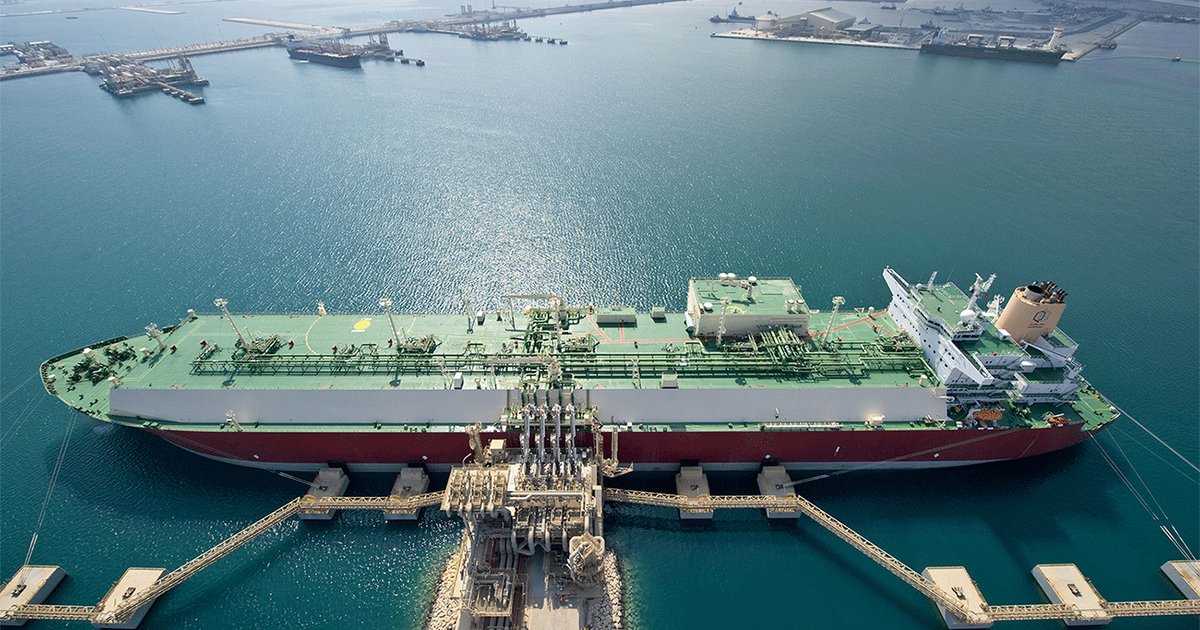
The Ras Laffan facility in Qatar is more than just an energy station; it serves as a "safety valve" for human development. The helium gas produced by this facility in minute concentrations is the lifeblood of modern medicine and technology. Ras Laffan alone supplies one-third of the world's helium needs, making any disruption a threat to both operating rooms and smartphone factories alike.
In this context, we address the key questions that reveal the strategic importance of this facility and why the world holds its breath at any threat to its stability.
Event Details
The importance extends beyond natural gas to include a rare byproduct known as "helium gas." Ras Laffan is considered the primary source of this gas, producing one-third of the Earth's needs. Helium is the "ultimate coolant," being the only liquid capable of cooling giant magnets inside MRI machines in hospitals. Without this cooling, these machines would fail, depriving doctors of the ability to diagnose serious illnesses.
Moreover, burning lasers are used in technology factories to etch microcircuits in processors and phone chips. The helium extracted from Qatar cools these circuits in fractions of a second during manufacturing, meaning that the absence of helium from Ras Laffan would halt the production of new smartphones.
Background & Context
The extraction process of helium poses an engineering challenge, as its concentration in Qatari gas is only 0.04%. Qatar has invested 20 years and billions of dollars to build an infrastructure capable of liquefying and transporting this gas. Once helium is liquefied and placed in shipping containers, the "economic death clock" begins, as the helium shipment must reach factories in New York or Tokyo within just 45 days. Any delay could result in gas loss, leading to significant financial losses.
Qatar has linked the security of its facilities to the vital interests of the world, as any military threat to Ras Laffan would mean an immediate jump in energy and technology prices by 50%, along with a paralysis of global medical systems. This is what strategists refer to as "stability through development," where defending the security of Ras Laffan becomes a global priority.
Impact & Consequences
Any threat to the stability of Ras Laffan does not only affect Qatar but extends its impact worldwide, as many rely on helium in critical fields such as medicine and technology. Therefore, protecting this facility is an urgent necessity to maintain global stability.
Regional Significance
Ras Laffan symbolizes the economic and technological prowess of Qatar, playing a pivotal role in securing the world's helium needs. Any threat to this facility could lead to negative repercussions on the Qatari economy, in addition to effects on global markets.
In conclusion, Ras Laffan remains a focal point in the equation of global energy and technology, making it the center of attention for the world. Maintaining its stability is a collective responsibility that transcends Qatar's borders to include all countries that depend on helium in their vital fields.