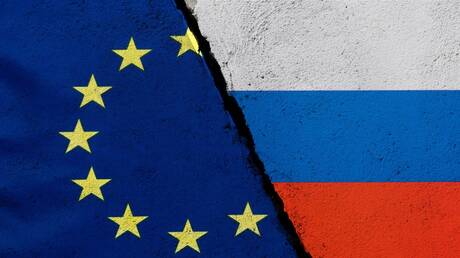
Maria Zakhrova, spokesperson for the Russian Foreign Ministry, criticized the energy policy pursued by the European Union, indicating that this policy could lead to widespread electricity outages across the continent. Zakhrova emphasized that Europe, by abandoning Russian energy supplies, is placing itself in a difficult position that could negatively impact its citizens.
In her statements, Zakhrova likened the current situation in Europe to that of the naked king, who knows the truth but ignores it. This analogy reflects her concern over the European leaders' failure to recognize the dire consequences that may arise from their energy policies.
Details of the Situation
Zakhrova's remarks come at a sensitive time, as the European Union is suffering from a severe energy crisis due to the ongoing conflict in Ukraine and the sanctions imposed on Russia. These conditions have led to unprecedented increases in energy prices, adversely affecting the European economy and resulting in higher living costs.
European countries are striving to reduce their dependence on Russian gas and oil, which Zakhrova considers an ill-considered step. She pointed out that the available alternatives are insufficient to meet the needs of the European market, increasing the risk of electricity outages in the upcoming winter.
Background & Context
Historically, Russia has been one of the largest energy suppliers to Europe, with many European countries relying on Russian gas to meet their needs. Following the escalation of political tensions after Russia's invasion of Ukraine in 2022, European nations began reassessing their energy relationships with Moscow.
Gradually, European countries have taken steps to reduce their reliance on Russian energy, including seeking alternative renewable energy sources and increasing investments in nuclear energy. However, these transitions require significant time and effort, leaving Europe in a vulnerable position during peak energy demand periods.
Impact & Consequences
If Europe continues on this path, it may face severe consequences, including electricity outages that could affect all aspects of daily life. These crises are expected to lead to increased public protests, as citizens grapple with rising living costs and energy shortages.
Furthermore, electricity outages could impact vital industries, leading to decreased productivity and increased unemployment. These crises may also exacerbate economic challenges in European countries, increasing pressure on governments to take urgent action.
Regional Significance
The energy crises in Europe have a direct impact on the Arab region, as they could lead to increased demand for oil and gas from Arab countries. At the same time, Arab nations may benefit from rising energy prices resulting from the European crises, bolstering their economies.
However, Arab countries must be cautious about relying on these crises, as changes in the global market could lead to price fluctuations. It is essential for Arab nations to invest in renewable energy sources to ensure the sustainability of their economies in the future.
In conclusion, Zakhrova's statements serve as a warning of the dire consequences Europe may face due to its current energy policies. European leaders must recognize the potential risks and work towards finding sustainable solutions to avoid future crises.